
How interior design impacts real estate value
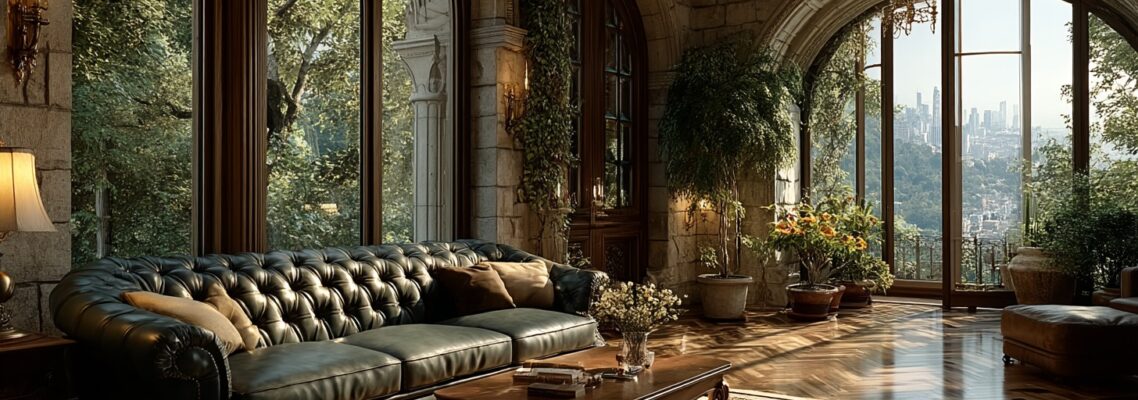
When buying a property, people usually focus on location and size. But one factor that can significantly boost a property’s value is its interior design, especially in sought-after areas like the real estate in al Jubail Island. Design choices, from materials to lighting, shape how buyers perceive a property and what they’re willing to pay. In a competitive market, the right interior design can make a property stand out, directly increasing its sale price.
First impressions and buyer psychology
A buyer’s first impression is crucial. A well-designed interior suggests quality and an aspirational lifestyle. Even if two properties are structurally identical, the one with better interiors will feel more valuable. Interior design also connects with buyers emotionally. Neutral colors, functional layouts, and quality finishes help them imagine living in the space. Poor design choices, on the other hand, can be distracting and lower a property’s perceived value.
The power of luxury interior design
In high-end markets, buyers want an experience. Luxury interior design becomes a key selling point, adding exclusivity. Features like marble countertops, custom cabinetry, and statement lighting turn a space into an aspirational environment. These properties attract high-net-worth buyers willing to pay more for a turnkey home, saving them the effort of renovations and providing immediate prestige.
Functionality and flow
Good interior design isn’t just about looks; it’s about how a space works. Thoughtful layouts, where rooms flow logically and natural light is maximized, make daily life more enjoyable. Buyers value efficiency. For example, smart storage can make a property feel larger, and open-plan living creates a sense of spaciousness. When a home is functional, buyers see long-term value and are willing to pay more.
Finishes and materials
The materials used are critical to a property’s value. Hardwood floors, natural stone, and artisanal tiles look better, last longer, and are associated with quality. Cheap or worn-out finishes can make a property feel dated. Buyers often see premium materials as a good investment that requires less maintenance, justifying a higher price.
The role of lighting and window treatments
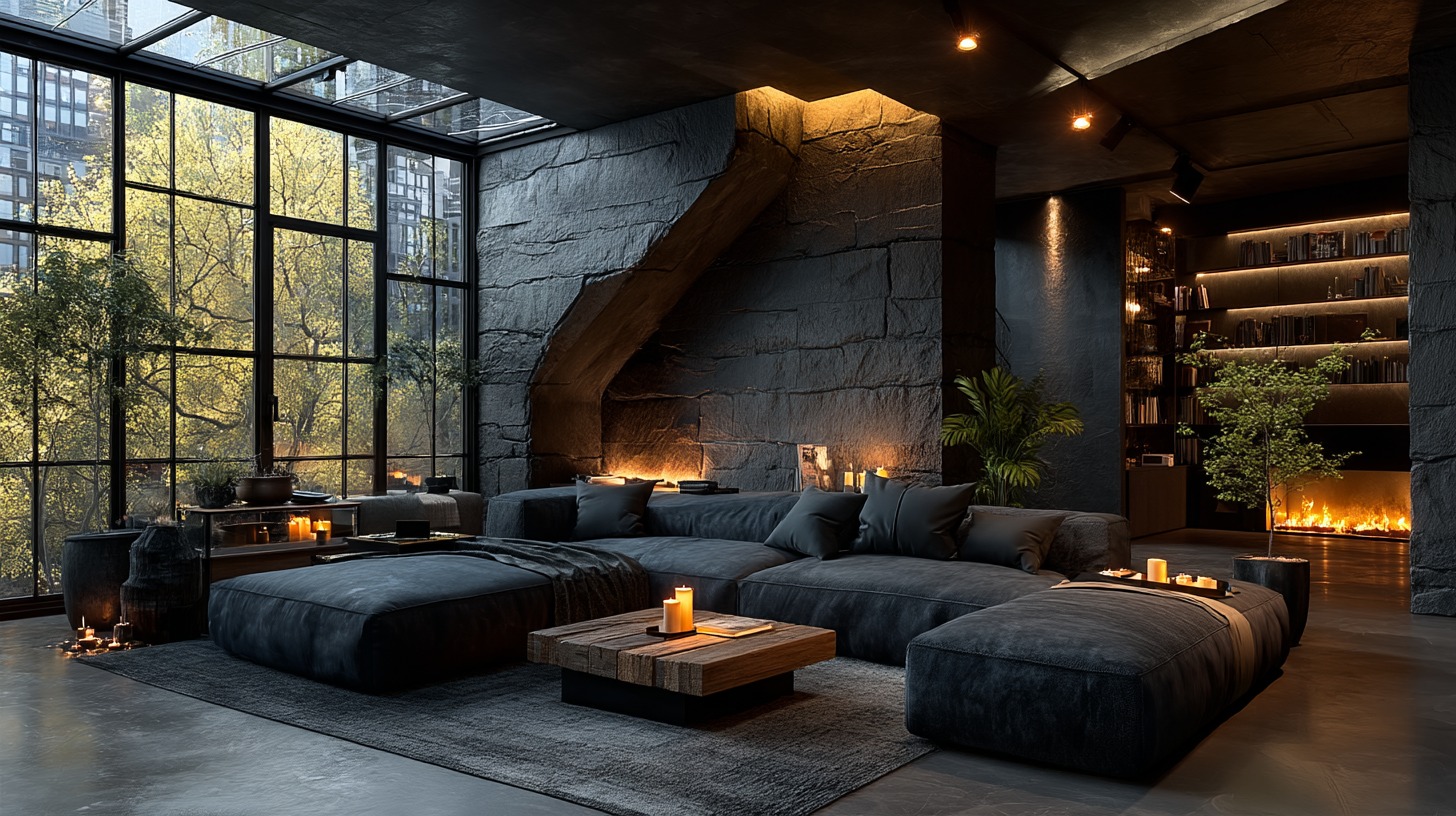
Light is a subtle but powerful factor in real estate value. Natural light makes spaces feel larger and more welcoming, while well-placed artificial lighting can add warmth or drama. Quality window treatments, like good blinds, improve functionality by offering privacy and light control while adding sophistication.
Customization and personalization
Buyers often pay more for tailored spaces. Features like custom walk-in closets, bespoke kitchen islands, or integrated home offices show thoughtful design that appeals to modern lifestyles. While personalization should be broadly appealing, subtle, timeless customizations can make a property feel unique and more valuable.
Energy efficiency and smart integration
Modern interior design often includes technology and sustainability, which can increase property values. Energy-efficient features and smart home integration, like automated climate control, add convenience and luxury. These elements appeal to today’s buyers and can enhance a property’s marketability and price.
Renovation vs. move-in ready
Whether a property is move-in ready strongly influences its price. Many buyers are willing to pay a premium for a home that requires no additional work. In contrast, properties with dated interiors are often sold at a discount because buyers factor in renovation costs. Even small upgrades, like a fresh coat of paint, can offer a significant return on investment.
Interior design and market segmentation
Different buyers want different things. Interior design allows sellers to target specific market segments. For example, minimalist designs might appeal to young professionals, while classic styles could attract families. Aligning the design with the target market can maximize both appeal and price.
Case study: staging and perception
Property staging is a clear example of how interior design affects price. Studies show that staged homes sell faster and for more money than empty ones. Staging uses design principles to highlight a property’s best features, proving that even temporary design choices can dramatically influence a buyer’s perception and a property’s value.